

Is your automatic gate stuck? 5 quick DIY checks before calling for assistance

You come home after a long day at work, perhaps feeling tired, you press the remote control button and… nothing. The gate won’t move. Your first reaction is understandably frustration, followed by the fear of having to face an unexpected service bill.
However, a stuck gate doesn’t always indicate a serious motor failure. Often, the cause is trivial and can be resolved in just a few minutes without the need for a technician.
Before calling emergency assistance, try following this quick 5-step guide.

Quick 5-step guide:

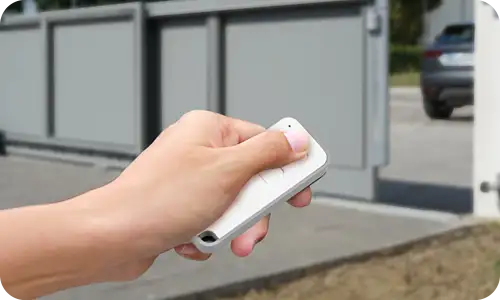
1. The transmitter: is it really charged?

It may seem obvious, but statistics show that a large percentage of technician calls are resolved with a simple battery change.

Check the LED: If the light is dim or absent when you press the button, the battery is dead.
Test it: Try using the second transmitter or the key selector (if present on the pillar). If the gate opens with those, the problem is with your main transmitter.

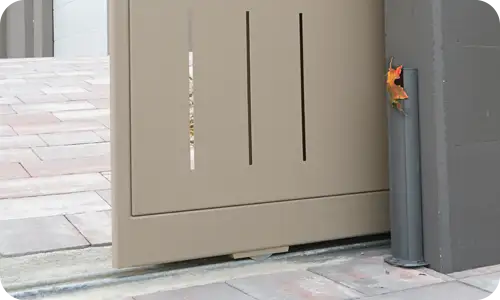
2. Photocells: the system’s “sentinels”

The photocells are safety devices: if they detect an obstacle, they prevent the gate from moving.

Cleaning: A spiderweb, mud or even a leaf stuck to the glass can break the beam. Wipe both lenses with a damp cloth.

Listening: Approach the photocell and run your hand in front of it. If you hear a slight “click,” it’s reading the signal. If you don’t hear anything, it may be misaligned or faulty.

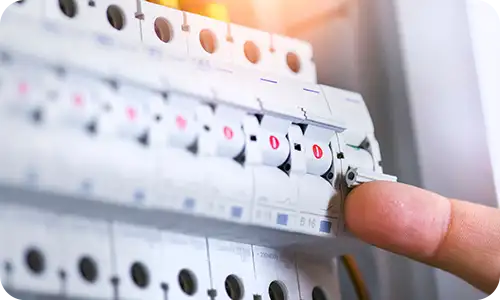
3. Power supply and electrical panel

Last night’s storm may have tripped the circuit breaker.
Check the main electrical panel in your home: make sure the gate switch is ON.
If the switch trips continuously when you try to operate the gate, stop: there may be a short circuit due to moisture or insects in the control unit. In this case, a technician is needed.

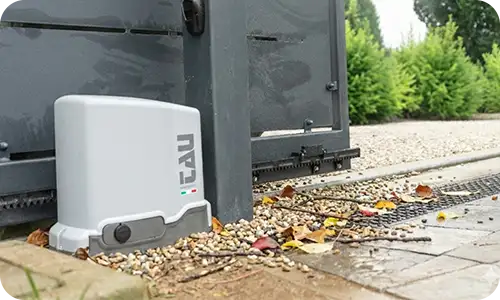
4. Rails and mechanical obstacles (for sliding gates)

If you hear the motor humming but the gate doesn’t move, the problem may be mechanical.

Check the rail: A rock, a twig, or a buildup of gravel can block the wheels.

Check the sliding: If the rail is clean but the movement is difficult, the bearings may need lubrication (be careful: use specific products, not grease, which attracts dust).

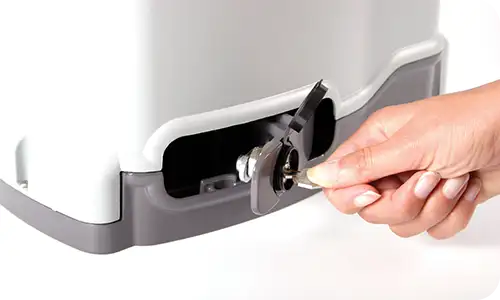
5. The release key: the last resort

If the previous checks were unsuccessful, you must be able to leave or enter your home.

Use the manual release key provided at installation to release the operator or the motor.

Move the gate by hand: if you feel excessive resistance or a rattling noise, the problem is structural (hinges or gears).

VIDEO TUTORIALS:
👉🏼 How to release a Tau automated sliding gate

👉🏼 How to release a Tau automated swing gate

When is it time to call a professional?

If after these checks the gate shows no signs of life, the fault may be with the circuit board, the capacitor, or the motor itself. In these cases, DIY can be dangerous, both for you and for the integrity of the system.

Remember: regular maintenance (at least once a year) prevents most of these minor problems, ensuring the safety of you and your family.

Have you tried these steps but your gate is still acting up?

Contact us and we’ll provide you with the contact information for the nearest authorized dealer/installer!


    Profession*

    Country*

    I consent to the processing of my personal data for the purposes indicated in the information. Privacy Policy

    Subscribe to the newsletter